


The world's farms are hungry for potash, and Canada is sitting on a goldmine of this essential mineral. As global populations continue to grow and agricultural demands skyrocket, one country has emerged as the planet's go-to source for the potassium-rich mineral that keeps crops thriving.
Canada holds about one-third of the world's known potash reserves, making it the undisputed leader in an industry that literally feeds billions of people every single day. As fertilizer prices fluctuate and nations worry about feeding their growing populations, the country's potash reserves have become more critical than ever before.
What potash actually is and why farmers need it
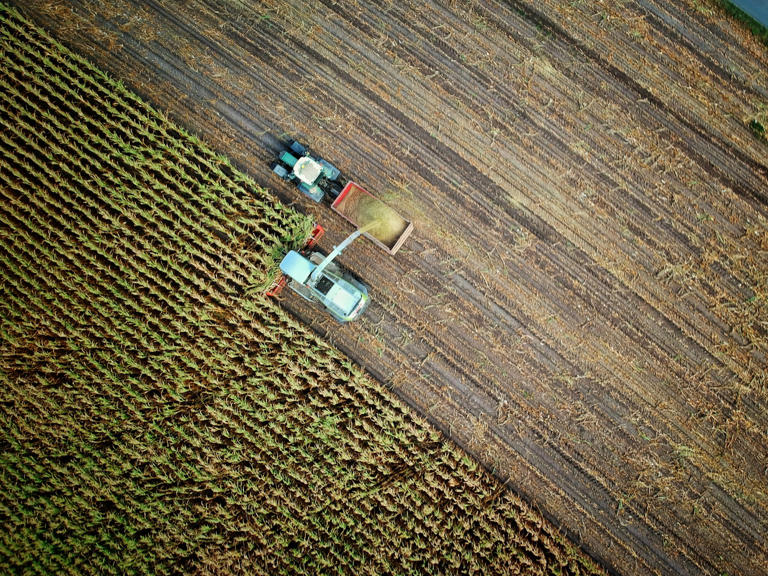
Image Credit: no one cares/Unsplash
Potash is the common name for potassium-rich salts that formed millions of years ago when ancient oceans evaporated and left behind thick deposits of minerals. These pink and white crystals contain potassium, one of the three essential nutrients that plants absolutely must have to grow strong and healthy.
Without enough potassium, crops become weak, produce smaller yields, and struggle to survive droughts or diseases. Farmers around the world rely on potash fertilizers to boost their harvests and keep their fields productive year after year.
Saskatchewan holds the world's largest potash reserves
The province of Saskatchewan contains all of Canada's active potash mines and approximately 38% of the entire world's known reserves. These massive underground layers of potassium salts stretch across thousands of square kilometers beneath the prairies, buried up to 3,000 feet below the surface.
The deposits are so enormous that at current mining rates, they could supply the world's agricultural needs for hundreds of years. This concentration of resources in one region has transformed Saskatchewan into the global epicenter of potash production.
How ancient seas created Canada's potash fortune
Around 400 million years ago, Saskatchewan was covered by a vast inland sea that repeatedly flooded and dried up over millions of years. Each time the water evaporated, it left behind layers of salt and minerals that gradually built up into the thick potash beds we see today.
The unique geological conditions during this period created unusually pure and accessible deposits that are easier and cheaper to mine than reserves found in most other countries. This ancient accident of geography has given Canada a natural advantage in the global fertilizer market that competitors find almost impossible to match.
Mining potash requires specialized underground operations
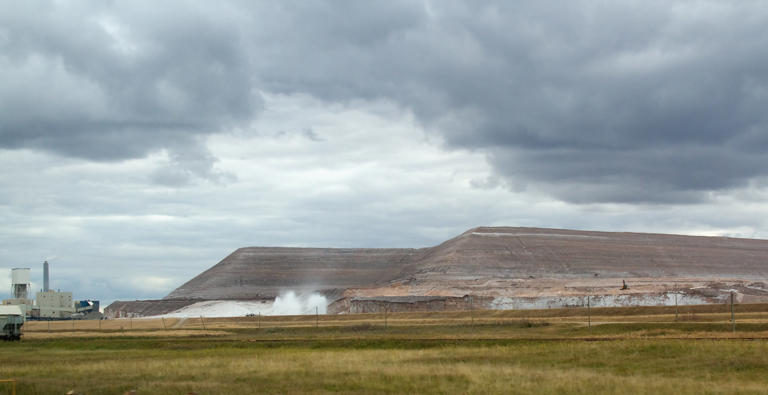
Image Credit: ahisgett/Flickr/Licensed under CC BY 2.0.
Extracting potash from deep underground is a complex process that involves creating massive mine shafts and tunnel networks that can extend for miles. Miners use giant cutting machines to carve away the potash ore, which is then crushed, processed, and refined into the granular fertilizer that farmers use.
The mining process requires careful engineering to prevent cave-ins and manage the extreme conditions found deep beneath the earth's surface. Modern potash mines are technological marvels that can produce millions of tons of fertilizer annually while employing thousands of highly skilled workers.
Canada exports potash to over 40 countries worldwide
Canadian potash travels to approximately 40 overseas countries, with major export markets including the United States, China, Brazil, and India. The country shipped roughly 22.8 million tons of potash overseas in 2023, accounting for over 41% of global potash exports.
This export activity generates billions of dollars in revenue and supports thousands of jobs in transportation, logistics, and port operations. The global reach of Canadian potash means that food on dinner tables from Beijing to Buenos Aires likely grew with the help of minerals mined in Saskatchewan.
Rising food demand is driving unprecedented potash needs
The world's population is expected to reach nearly 10 billion people by 2050, which means farmers will need to produce significantly more food on roughly the same amount of farmland. This challenge is prompting agricultural producers to maximize every acre of cropland through intensive fertilizer use, resulting in a surging demand for potash and other essential nutrients.
Developing countries with expanding middle classes are consuming more protein-rich foods that require fertilizer-intensive feed crops, further accelerating potash demand. Canada's massive reserves position the country to meet this growing need for decades to come.
The potash industry creates thousands of well-paying jobs
Canada's fertilizer industry contributes over $42 billion annually to the economy and supports more than 100,000 jobs throughout the supply chain, with potash being the cornerstone of this sector. These positions typically offer excellent wages and benefits, with experienced potash miners earning an average of $113,000 per year, nearly twice the average Saskatchewan salary.
The industry also provides significant opportunities for Indigenous communities near mining operations through employment, business contracts, and revenue-sharing agreements. Beyond direct employment, potash mining supports entire communities by generating tax revenue that funds schools, hospitals, and infrastructure improvements.
Competition from other countries keeps pushing innovation

Image Credit: Nejc Soklič/Unsplash
While Canada produces over 30% of global potash, producers in Russia, Belarus, and other countries are constantly working to expand their own production and capture market share. This competitive pressure forces Canadian companies to continuously improve their efficiency, reduce costs, and develop new technologies to maintain their advantage.
The rivalry has led to innovations in mining techniques, processing methods, and environmental practices that benefit the entire industry. Canadian producers invest heavily in research and development to ensure they remain the preferred supplier for quality-conscious customers worldwide.
Potash helps crops resist disease and environmental stress
Beyond boosting overall plant growth, potassium strengthens crop immune systems and helps plants withstand challenging conditions like drought, frost, and pest attacks. When plants have adequate potassium, they develop thicker cell walls and more efficient water-use systems that allow them to survive difficult growing seasons.
This stress-resistance quality makes potash especially valuable as climate change creates more unpredictable and extreme weather patterns that threaten agricultural production. Farmers view potash as insurance against crop failures that could devastate their livelihoods and threaten food security.
Transportation networks move potash across vast distances
Getting potash from Saskatchewan mines to farms around the world requires an extensive logistics system involving trains, ships, and specialized handling facilities. Railways move potash from inland mines to port terminals in Vancouver and other coastal cities, where it's loaded onto massive cargo ships for overseas delivery.
The transportation infrastructure for potash represents billions of dollars in investment and provides crucial links between Canada's interior and global markets. Efficient transportation systems help keep Canadian potash competitive even when it must travel thousands of miles to reach customers.
Environmental concerns are shaping modern mining practices
Potash mining generates large amounts of salt tailings and requires significant water usage, creating environmental challenges that companies must carefully manage. Modern operations use advanced techniques to minimize their ecological footprint, including recycling water, reducing surface disturbance, and rehabilitating mined areas.
Companies are investing in technologies that lower emissions and energy consumption while maintaining high production levels. Environmental regulations in Canada are among the strictest in the world, ensuring that potash production meets high sustainability standards that protect land, water, and air quality.
Future demand projections look extremely promising

Image Credit: Jakub Zerdzicki/Pexels
Industry analysts predict that global potash demand will continue growing steadily for at least the next two decades as agricultural intensification accelerates worldwide. Emerging markets in Asia and Africa are expected to drive much of this growth as their farming sectors modernize and adopt more fertilizer-intensive practices.
Climate change may actually increase potash demand as farmers need more fertilizer to compensate for degraded soil quality and challenging growing conditions. Canada's enormous reserves and established production capacity position the country to capture a significant share of this expanding market.
New mining projects are expanding Canada's capacity
Several major potash mining projects are currently under development or in planning stages across Saskatchewan, representing billions of dollars in new investment. BHP's Jansen potash project is expected to start production in late 2026, with stage one projected to yield about 4.2 million tonnes annually.
These projects will add millions of tons of annual production capacity and create thousands of construction and permanent jobs over the coming years. Advanced mining technologies are making it economical to access deeper and more challenging deposits that were previously considered too difficult to mine.
Potash prices fluctuate based on global agricultural conditions
The price of potash can swing dramatically depending on crop prices, weather patterns, currency exchange rates, and geopolitical factors affecting major agricultural regions. When grain prices are high, farmers invest more in fertilizer to maximize their yields, driving up potash demand and prices.
Conversely, poor growing seasons or low crop prices can reduce fertilizer purchases and cause potash prices to drop. These price cycles create both opportunities and challenges for Canadian producers, who must balance production levels against market conditions to maintain profitability.
Canada's potash advantage strengthens national economic security
Having such massive reserves of a critical agricultural resource gives Canada significant economic and strategic leverage on the world stage. Countries dependent on imported potash must maintain good relationships with Canadian suppliers to ensure steady access to this essential mineral.
The potash industry contributes billions of dollars annually to Canada's GDP and generates substantial tax revenues for federal and provincial governments. This economic strength from potash reinforces Canada's position as a stable, reliable partner in global food security efforts while providing lasting benefits to Canadian citizens.
We're squandering our natural resource wealth, and the world has noticed
Image credit: Yasmine Arfaoui / Unsplash


