


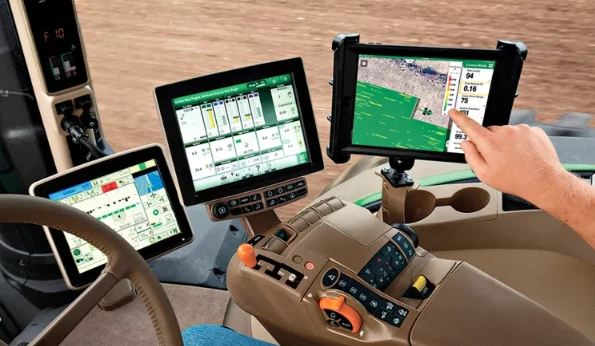
With planting season just weeks away, getting maintenance done on your planter is key to a successful harvest. With modern planting technology, however, this means more than just checking your closing wheels and seed tubes.
"Technology can sometimes be taken for granted, but it still needs operator input and calibration to make sure the reporting and in-cab experience for the operator is accurate," says David Brennan, planter marketing manager at Case IH.
Checklists:
Data management
This is the "housekeeping" step, according to Brad Niensteadt, lead product specialist for Kinze. If you didn't get around to it in the offseason, it's important to revisit, clean up, and prepare collected data from previous seasons in your farm information management systems (FIMS).
Archiving data from previous seasons on your in-cab display can ensure a clean working environment. Most of this can be done ahead of time from your couch or computer chair.
"Historically, this information has been viewed as just garbage that's floating around in the monitor; I think we need to put more value on that," says Kelly Degelman, agricultural data analyst for Fahlman Acres in Saskatchewan, Canada. "Every season is a chance to do things better than last year. It's way better to have too much data." Degelman has worked in precision ag for the last 13 years and is involved in most of the farm's technology and machinery, as the operation prepares for autonomous technology in the near future.
Having up-to-date information can help guide additional operators using your work plans, even if you aren't in the tractor cab.
Seed hybrids and varieties: Building out the seed library can be tedious, but it can save time and confusion in the long run. Updating the seed hybrids and varieties stored in your display and FIMS helps with efficiency during the critical planting window, field management throughout the growing season, and data management after harvest.
Field names: Setting unique and well-organized field names before the season easily avoids confusion or miscommunication with operators.
Field boundaries: Most software options allow farmers to reuse guidance lines from previous years. If you have altered your field in any way in the offseason, or if you plan to change tillage pass direction, you may need to remap your field boundaries.
Data access: Checking who can access your data is just as important as the data itself. You can allow agronomists access to look at field data and fill in prescriptions in your FIMS, says Anthony Styczinski, planter and air-seeding go-to market manager for John Deere. He also recommends removing or adding permissions in your FIMS to avoid data mismanagement if you've changed farmhands or agronomists. Communicate with those having data access to know how best to use the platform.
Data setup: The decisions that come from soil sampling create the plan for planting and fertilizing. These plans need to get from a computer to the equipment monitor. Make sure prescriptions are loaded properly into your equipment so it can perform the necessary tasks, Degelman says. Making these calibrations is important to start the season, especially if operating newly acquired equipment.


