


Learn how gypsum improves soil structure, water flow and nutrient balance, helping your fields stay strong and productive.
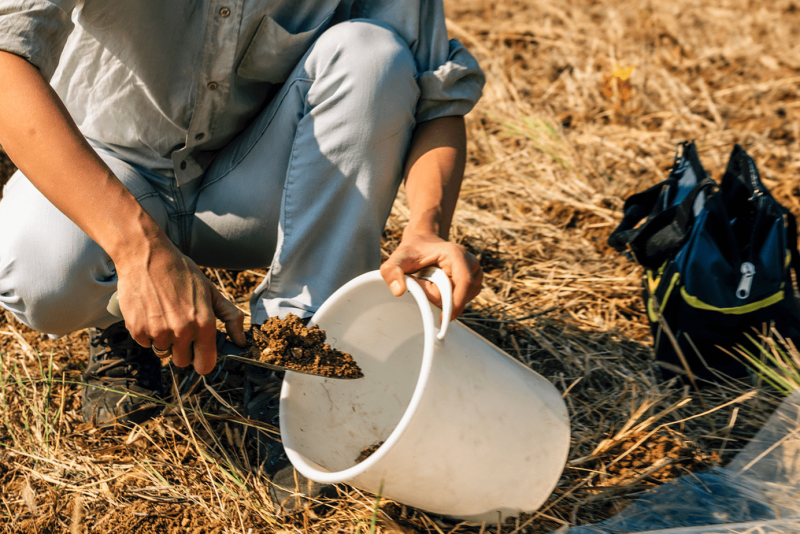
Well-managed soils are the foundation of high yields. Yet compaction, nutrient imbalance and poor structure can limit performance. A gypsum soil amendment can provide a practical solution by supplying calcium and sulfur while improving soil structure and water movement in corn and soybean systems.
Gypsum soil amendment benefits in row-crop systems
Gypsum has been used as a soil amendment for centuries, valued for its ability to improve soil structure and fertility.1 Made of calcium sulfate, gypsum provides a readily available source of calcium and sulfate without affecting soil pH.2
It can deliver a quick supply of calcium and sulfate to crops, and thanks to its water solubility, it can be used to flush sodium and salts from soils. It's very beneficial for sodic soils.3
When applied correctly, gypsum for soil can:
Promote better seedling germination by improving soil contact.
Enhance water infiltration and aeration for stronger root systems.
Improve crop water use during dry periods.
Increase drainage by improving aggregation and reducing compaction.
Reduce erosion and runoff, protecting topsoil and nutrients.
Decrease phosphorus (P) losses, supporting water quality. 4
Challenges and limitations of gypsum for soil
While a gypsum soil amendment offers many agronomic benefits, it isn't a silver bullet for every field. In many soils, acidity problems occur long before calcium deficiencies do. In those cases, lime is the better choice because it addresses both pH and calcium levels, whereas gypsum does not change soil pH.5
Crop response is also highly site-specific, and results are often inconsistent, unless you have severe calcium and sulfur deficiencies. Finally, the cost of transportation and application often represents the biggest portion of total expense, so economics should be carefully evaluated before deploying large-scale gypsum applications.
Gypsum soil amendment application guidelines for corn and soybean
Gypsum application rates depend on your goals. For calcium and sulfur supplementation, apply around 65-80 lbs/acre. If your goal is to improve soil structure, higher rates of 1-1.5 tons per acre are typically recommended.6 Applying gypsum as soil amendment before planting corn or soybeans tends to result in the best outcomes.
Because transportation and application can be costly, many growers find that larger, biannual applications are more economical and effective for maintaining nutrient availability while minimizing potential negative effects.
Finally, farms that regularly apply poultry litter or manure may see limited benefits from gypsum for nutrient supplementation, since these fertilizers already provide sufficient calcium and sulfur.
Soil pH management before applying gypsum
Because gypsum does not affect soil pH, it is important to correct any acidity issues before application. Low pH levels below 5.0 can increase the risk of aluminum toxicity and limit nutrient uptake, which can reduce crop performance.
Applying lime to raise soil pH, ideally to between 5.8 and 6.5 for optimal crop growth, will also provide calcium and, in some cases, enough sulfur. Gypsum may not be necessary if your main goal is correcting nutrient deficiencies rather than improving soil structure.
Practical guidelines for gypsum soil amendment
Before applying gypsum for soil, start with a recent soil test to evaluate calcium, sulfur and pH levels. This helps determine if gypsum is needed and what rate will provide the most benefit. Apply gypsum evenly across the field and, when possible, lightly incorporate it into the top few inches of soil to improve contact and solubility. The best timing is typically before planting or right after harvest, when field traffic is minimal.
After application, monitor changes in soil structure and nutrient levels every two to three years. Regular soil testing will show whether additional applications are justified and help track long-term improvements in drainage, infiltration and root growth. Over time, consistent use of gypsum under the right conditions can support healthier soils and more resilient crops.


