


Starting a small farm is both a practical venture and a meaningful lifestyle shift. New farmers often discover that early planning, clear goals, and simple systems make the most significant difference in long-term success.
Profitability doesn't appear overnight - it comes from choosing the right enterprises, understanding your land, and building reliable markets. With the proper foundation, even a small operation can grow into a sustainable and rewarding business.
Quick summary
A successful small farm starts with focused planning, manageable enterprises, and early validation of customer demand. Profit grows when you track your numbers, refine your systems, and scale only after the first model proves itself.
Letting your land and local demand shape your first enterprise

Every profitable farm begins with clarity on three key factors: land capability, labor capacity, and buyers within reach. Before investing in equipment or seeds, assess what your soil, climate, and time commitments can realistically support. For example:
Sandy soils may favor vegetables, herbs, and cut flowers.
Clay-heavy soils can support grazing livestock or perennials.
Limited daily labor often pairs best with low-input crops or small livestock.
Your initial enterprise should reflect what your land can produce reliably and what your local market will actually purchase.
Checklist for your first season
Validate your land resources (soil test, water capacity, microclimates).
Select one core enterprise (e.g., greens, mushrooms, pasture poultry).
Set a simple profit target for year one.
Create a planting or production calendar with realistic workloads.
Secure markets early (CSA members, buyers, or farmstand commitments).
Start with lean equipment and add tools only when needed.
Track all expenses and yields from day one.
Document everything - planting dates, feed costs, labor hours, market prices.
Review results monthly and adjust production accordingly.
Market channels that build reliable revenue
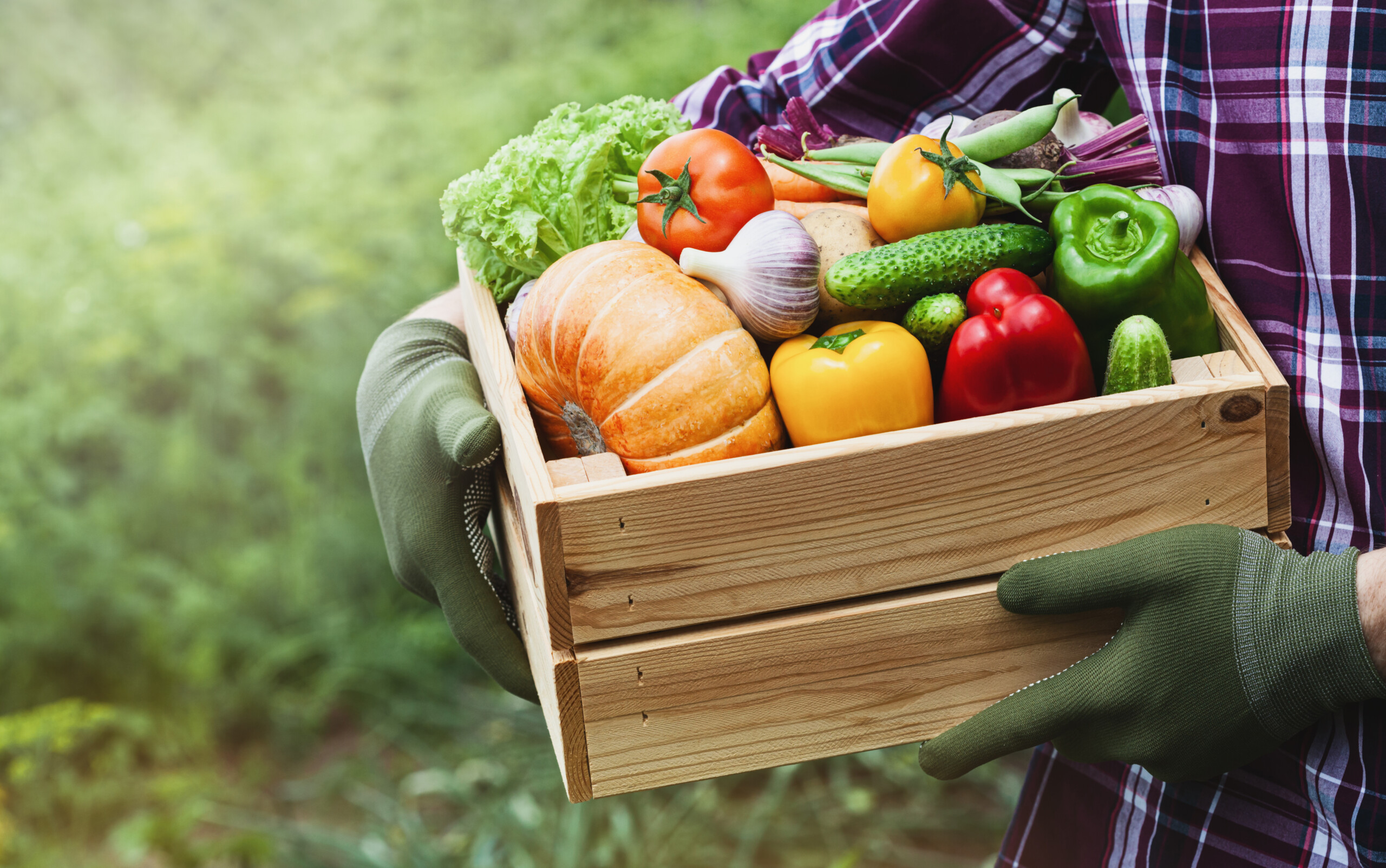
Diversifying income helps small farms stay profitable even in unpredictable seasons. Most new farmers succeed by combining several of these:
Community Supported Agriculture (CSA): Guaranteed early-season revenue.
Farmers markets: Weekly cash flow and customer relationships.
Restaurant sales: High-quality produce at premium prices.
On-farm sales: Cuts out intermediaries and builds loyal regulars.
Value-added goods: Jams, pickles, dried herbs, or soap to extend seasons.
The more stable your customer pipeline, the less risk your operation carries.
Organizing and protecting farm documents
Running a farm also means managing an expanding paper trail - leases, invoices, harvest records, certifications, equipment warranties, and soil tests. Many farmers simplify their admin work by digitizing key documents and storing them in organized folders.
Saving files as PDFs makes records easier to open across devices, prevents accidental edits, and ensures consistent formatting. And when you want to keep related documents together, such as your annual financial logs or buyer contracts.
Comparing common small-farm enterprises
Choose an enterprise based on your land, climate, available labor, and sales outlets.
| Enterprise Type | Start-Up Difficulty | Labor Intensity | Typical Profit Margins | Best Market Channels |
| Salad Greens | Moderate | High | Strong | CSA, restaurants |
| Cut Flowers | Moderate–High | High | Strong | Markets, florists |
| Pasture Poultry | Moderate | Medium | Moderate | On-farm, markets |
| Mushrooms | Low–Moderate | Medium | Strong | Restaurants, local stores |
| Garlic & Storage Crops | Low | Low | Moderate | Markets, bulk buyers |
Boosting your business skills
Running a profitable farm requires more than production knowledge - it demands strong business capability. Many farmers expand their financial, management, and marketing skills by exploring business administration options for undergrads, especially programs tailored for working adults. An online business degree can help you develop essential skills in accounting, communications, operations, and management. Flexible online programs let you balance a full farm schedule while continuing your studies.
Common early mistakes to avoid

Planting too many crops too soon.
Pricing based on emotion rather than cost of production.
Ignoring irrigation needs until mid-season.
Buying expensive equipment before validating markets.
Producing without a marketing plan.
Failing to track yields and expenses in real time.
Underestimating labor requirements for harvesting and washing produce.
Skipping soil testing and amendments.


