


nvironmental headlines often focus on climate change, habitat loss, and declining insect populations, leaving many people wondering how they can make a meaningful difference. According to the National Garden Bureau, one of the most effective solutions may begin at home - in the garden.
Pollinators such as bees, butterflies, moths, and hummingbirds depend on flowering plants and safe nesting spaces to survive. Yet expanding urban development and intensive landscaping practices have reduced the habitats these species rely on. Even small gardens, container planters, or balcony spaces can become valuable feeding and sheltering areas that help reconnect fragmented habitats across neighborhoods and cities.
Migratory species such as the Monarch butterfly depend on frequent nectar "fuel stops" during their long journeys across North America, while many native bees spend their entire lives within a very small radius and may never leave a single garden.
The basics of a pollinator-friendly yard
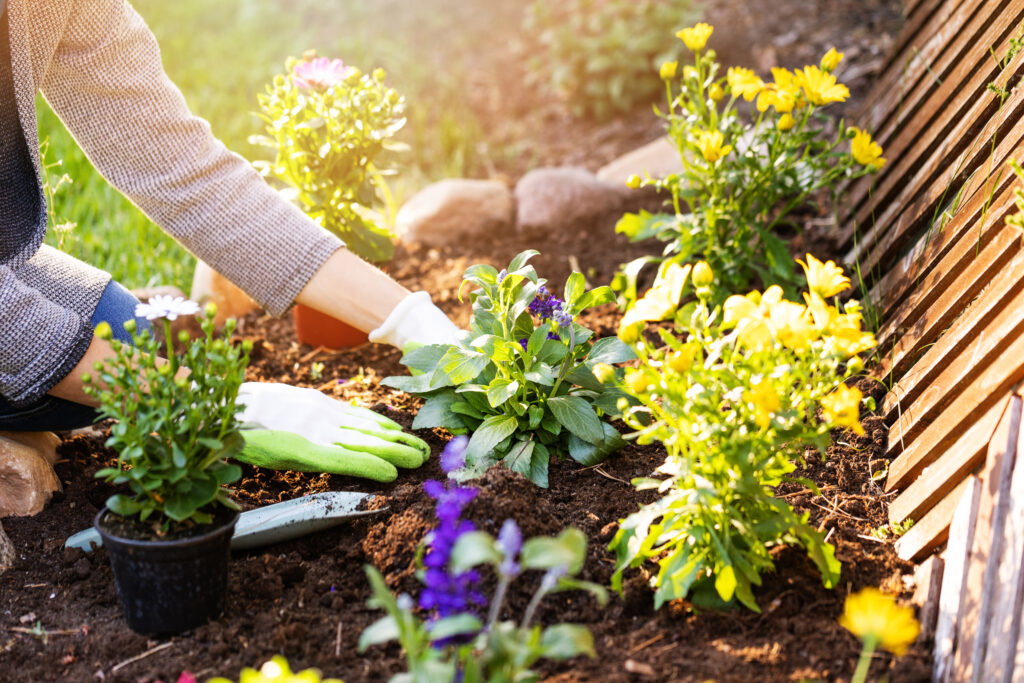
Creating a pollinator habitat does not require a complete landscape redesign. Many gardeners already provide some of the essential elements pollinators need:
Flowering plants rich in nectar and pollen
Hollow-stemmed plants for nesting
Bare patches of soil for ground-nesting bees
Fallen logs, leaves, brush piles, or rocks for shelter
Experts recommend reducing or eliminating chemical insecticides, which can harm beneficial insects alongside pests. Herbicides can also remove critical food sources that pollinators depend on throughout the growing season.
Instead, gardeners are encouraged to adopt Integrated Pest Management (IPM), a gardening approach that relies on observation, biodiversity, and natural predator-prey relationships to manage pests with minimal chemical intervention.
Choose diverse plants for season-long blooms
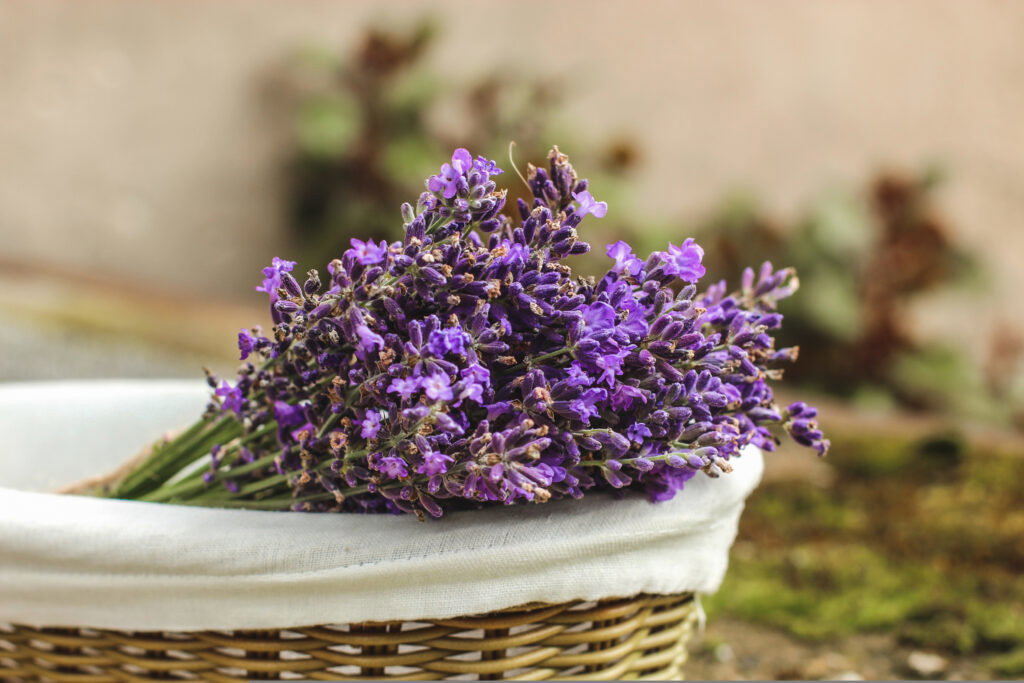
Plant diversity is one of the most important features of a successful pollinator garden. Different pollinators are attracted to different flower shapes, colors, and bloom times.
Gardeners should aim to maintain at least three blooming plants throughout the growing season - from early spring to late fall - to ensure consistent food availability.
Native plants are especially valuable because pollinators have evolved alongside them for thousands of years. However, many non-invasive ornamental flowers and herbs also provide excellent nectar and pollen resources.
Popular pollinator-friendly plants include:
Cosmos
Zinnias
Lavender
Salvia
Sage
Joe Pye weed
Wild bergamot
Dill, which serves as a host plant for Black swallowtail butterfly caterpillars
Butterflies and moths also require host plants where they can lay eggs and support caterpillars during their larval stage.
Вon't over-clean the garden
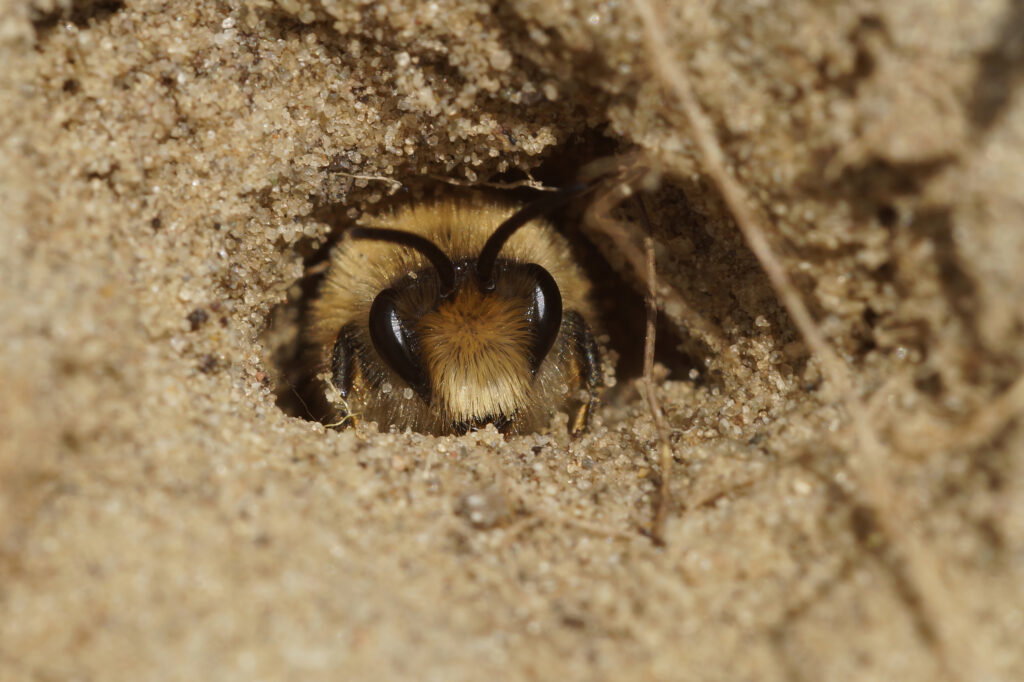
One of the simplest ways to support pollinators is to leave parts of the garden undisturbed.
Roughly 90% of native bee species nest underground, making bare soil patches especially important. Thick mulch layers and landscape fabrics can prevent bees from reaching the soil surface.
Dead wood and dried flower stems also provide nesting cavities for solitary bees. Gardeners can leave spent stems standing through winter and cut them back gradually in spring.
Fallen leaves should also remain in garden beds during colder months, as many butterflies and moths overwinter in leaf litter as caterpillars, chrysalids, or adults.
Pollinator gardening for apartments and small spaces
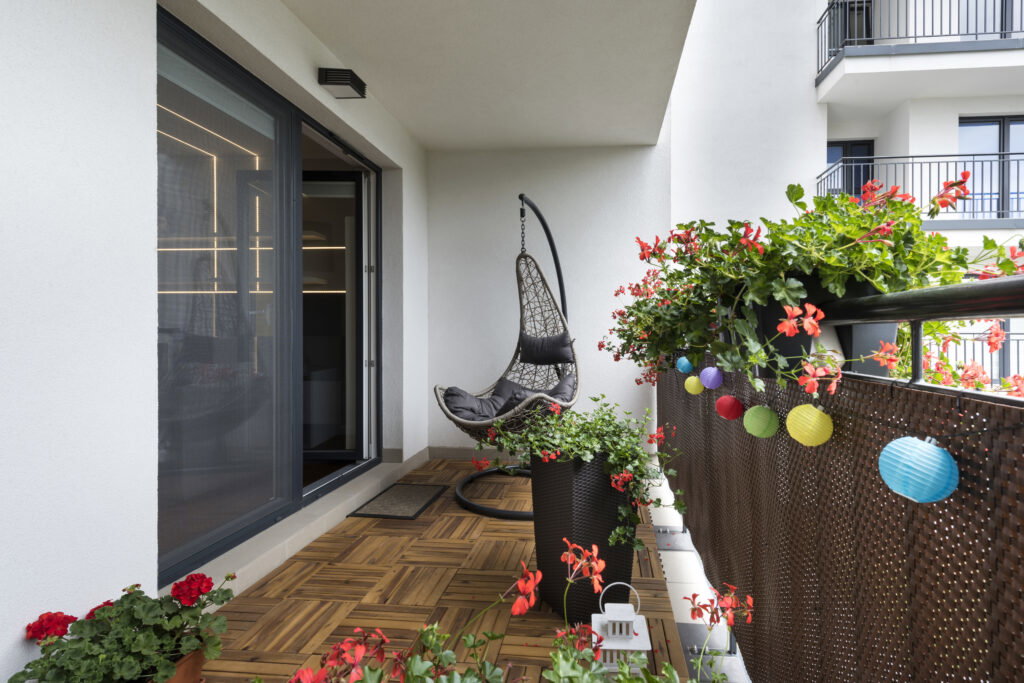
Pollinator gardening is not limited to large yards. Apartment residents can support wildlife with container gardens planted with flowering species.
A single planter filled with pollinator-friendly flowers can provide food in otherwise difficult urban environments. Small bee houses may also offer nesting space for cavity-nesting bees.
Patience pays off with native plants
Many native plants spend their first years developing deep root systems before producing vigorous above-ground growth. While this slower establishment period can test gardeners' patience, it ultimately creates landscapes that are more drought-tolerant and resilient.
Newly planted gardens benefit from watering during the first year and light mulching to retain moisture and suppress weeds. Over time, living ground covers and mature plantings naturally reduce maintenance needs.
Every garden can make a difference
Whether gardeners add a few flowering plants to existing beds or transform sections of lawn into pollinator habitat, every space contributes to a broader ecological network.
The National Garden Bureau says even small individual actions can collectively create meaningful environmental benefits by supporting biodiversity and strengthening pollinator populations across communities.


