



Ammonium nitrate was the first solid nitrogen (N) fertilizer produced on a large scale, but its popularity has declined in recent years. Consequently, Mosaic does not sell ammonium nitrate; the information below is for educational purposes. It's been a common N source because it contains both nitrate and ammonium, and it has a relatively high nutrient content.
Agricultural use
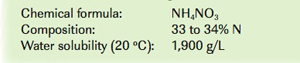
Ammonium nitrate is a popular fertilizer since it provides half of the N in the nitrate form and half in the ammonium form. The nitrate form moves readily with soil water to the roots, where it's immediately available for plant uptake. The ammonium fraction is taken up by roots or gradually converted to nitrate by soil microorganisms. Many vegetable growers prefer an immediately available nitrate source of plant nutrition and use ammonium nitrate. Animal farmers like it for pasture and hay fertilization since it's less susceptible to volatilization losses than urea-based fertilizers when left on the soil surface.
Ammonium nitrate is commonly mixed with other fertilizers, but these mixtures can't be stored for long periods because of a tendency to absorb moisture from the air. The very high solubility of ammonium nitrate makes it well suited for making solutions for fertigation or foliar sprays.
Management practices
Easy handling and high nutrient content make ammonium nitrate a popular N fertilizer It's also very soluble in the soil, and the nitrate portion can move beyond the root zone under wet conditions. Nitrate can also be converted to nitrous oxide gas in very wet conditions through the process of denitrification. The ammonium portion isn't subject to considerable loss until it's oxidized to nitrate.
Concerns over illegal use of this fertilizer for explosives have caused strict government regulation in many parts of the world. Restrictions on sales and transportation have caused some fertilizer dealers to discontinue handling this material.


