


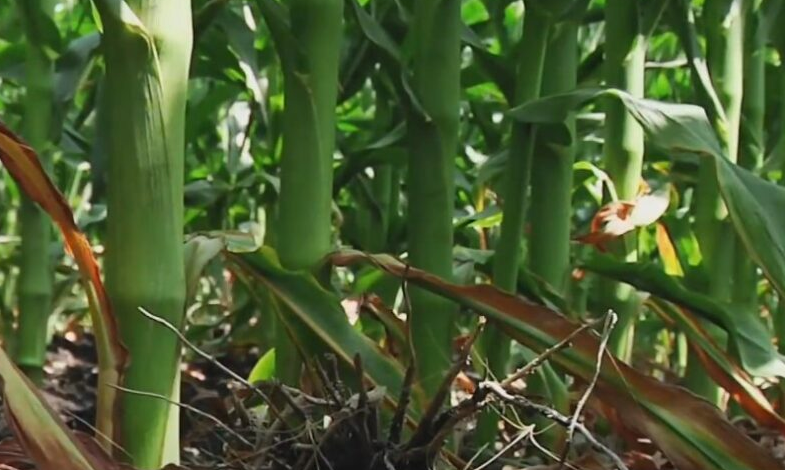
Last summer, I watched my neighbor Jake lose nearly half his corn crop to something completely preventable. His fields, once promising and green, turned yellow almost overnight. By the time he called me over to take a look, the damage was done. Walking through those rows of stunted, yellowing corn, I saw the unmistakable signs of nitrogen deficiency in corn that had gone untreated for too long.
Jake had been farming for only three years, and like many new farmers, he thought he could cut corners on fertilizer costs. That decision cost him over $40,000 in lost yield. As we stood in his field that day, I promised to share everything I learned about nitrogen management during my forty-three years of farming. The story I am about to tell you could save your crop and your livelihood.
According to Dr. Robert Hoeft from the University of Illinois, "Nitrogen deficiency is responsible for more corn yield loss than any other single nutrient deficiency, yet it remains one of the most preventable problems in modern agriculture." After four decades of managing corn fields, I can tell you that proper nitrogen management separates successful farmers from those who struggle year after year.
The Hidden Language of Corn Plants
Every morning during the growing season, I take my coffee and walk through my corn fields. The plants talk to me, and after all these years, I know exactly what they are saying. The secret lies in reading the subtle signs that most people miss.
My grandfather taught me that corn plants are like children. They tell you what they need, but you have to pay attention. When nitrogen runs short, corn plants start sacrificing their older leaves to feed new growth. The yellowing always begins at the bottom of the plant, creating a distinctive V-shaped pattern that moves from the leaf tip toward the base.
According to research published in the Agronomy Journal, "Nitrogen deficiency symptoms in corn follow a predictable pattern, with chlorosis beginning in the oldest leaves and progressing upward as the deficiency becomes more severe." In my experience, catching these early signs can mean the difference between a good harvest and a disaster.
The yellowing process happens because nitrogen is mobile within the plant. When supplies run low, the plant moves nitrogen from older leaves to newer growth areas. It is nature's way of prioritizing survival, but it also serves as an early warning system for farmers who know what to look for.
Reading the Early Warning Signs
Two seasons ago, I was helping my friend Maria scout her fields when we noticed something troubling. Her corn plants looked healthy from a distance, but up close, the story was different. The lower leaves showed a pale green color that made me immediately suspicious.
"Look at the bottom leaves," I told her, pointing to the telltale signs. "See how they are losing that deep green color? Your corn is asking for nitrogen." Maria had been farming for fifteen years, but she had never learned to read these subtle early signals.
According to Iowa State University Extension, "Early detection of nitrogen deficiency can prevent yield losses of 20-50 bushels per acre when corrective measures are taken promptly." The key is knowing exactly when and where to look.
The early signs appear long before most farmers notice anything wrong. Lower leaves begin to lose their vibrant green color, taking on a pale, washed-out appearance. The yellowing typically starts at the leaf tips and moves toward the base in a distinctive V-shaped pattern. Healthy corn leaves should maintain their rich green color throughout the growing season.
Plant growth also slows during early nitrogen deficiency. The corn plants appear slightly shorter than they should be for their age, and new leaves emerge smaller than normal. Root development suffers as well, with plants developing weaker, less extensive root systems that cannot efficiently absorb nutrients and water.


