


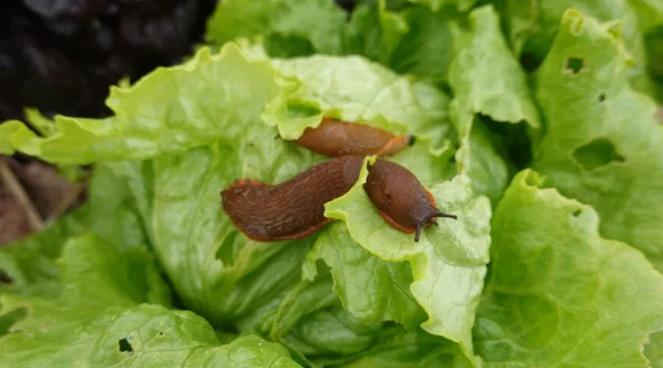
A British research project has built and validated a model that predicts where slugs will attack arable fields, opening a path to targeted treatment that could cut pesticide use and protect yields, FarmingUK reported.
Developed through SLIMERS, a £2.6M program, the tool relies on data gathered by farmers themselves and points toward patch treatment in place of blanket slug-pellet applications. For growers, the shift carries both cost and environmental stakes, with slug damage estimated to cost UK agriculture about £43.5M a year.
How farmers helped build the model
A team of 28 "Slug Sleuth" farmers and agronomists collected field data across monitoring sites, recording where slugs concentrated and under what conditions. That ground-level data let Professor Keith Walters and his team at Harper Adams University develop and validate a model predicting where slugs are most likely to be found in arable fields. Soil sampling by project partner Agrivation fed into the analysis.
One participating farmer said the work showed slug problems could be managed in a more environmentally friendly way, though he cautioned that further trials are needed before the approach is ready for wide rollout.
What is SLIMERS?
SLIMERS stands for Strategies Leading to Improved Management and Enhanced Resilience to Slugs. It is a three-year, £2.6M research program funded through Defra's Farming Innovation Programme and delivered by Innovate UK. The project is led by the British On-Farm Innovation Network (BOFIN), headed by Tom Allen-Stevens, and brings together more than 100 farms and seven partners, including Harper Adams University, the UK Agri-Tech Centre, the John Innes Centre, Fotenix, Farmscan Ag and Agrivation.
Toward precision slug control
Alongside prediction and precision mapping, the consortium is developing an AI-based autonomous system for targeted biological control using nematodes, and exploring slug-resistant wheat varieties. In the current season, Slug Sleuth farmers are treating only predicted hotspots to fine-tune the models. The next step, growers say, is funding to roll out variable-rate applications and build the dataset needed to prove the approach at scale.
Why it matters and what comes next
Tighter regulation of slug pellets and growing pressure to cut chemical use have left arable farmers searching for alternatives. Patch treatment guided by risk maps could reduce both cost and environmental impact, replacing blanket spreading with targeted action. SLIMERS is due to conclude in August 2026, when the consortium aims to show a commercially viable route to predicting and treating one of arable farming's most persistent pests.


