


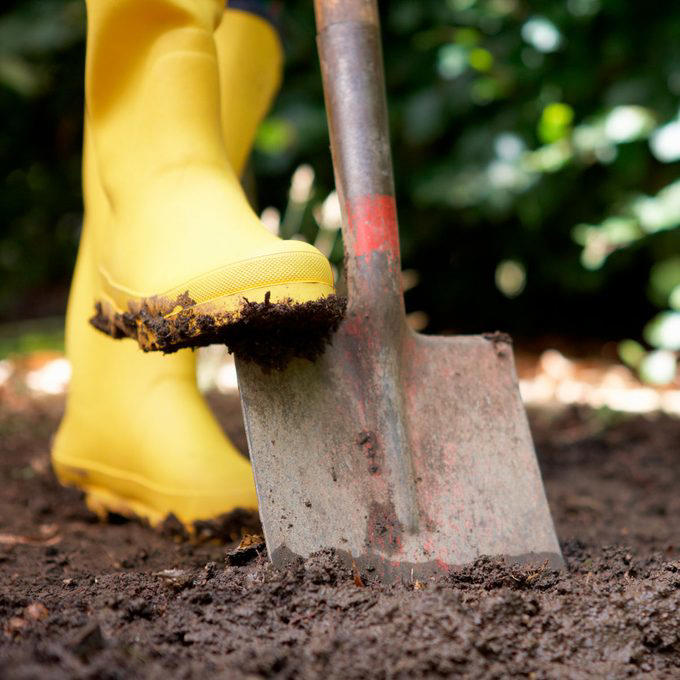
A yellow boot presses down on a shovel, which is embedded in dark, loose soil, surrounded by green foliage in a garden setting.© Provided by The Family Handyman
Working Wet Soil
We're all eager to get into the garden after a long winter, but it pays to be attentive to the weather. Snow melt and spring rains may make the soil wet-and wet soil is not only a mess to work with, it can become compacted because the wet soil particles pack together, leaving little room for water and air to penetrate. This is bad for root growth, and compacted soil also drains slower. Wait for the soil to dry out a bit before digging or tilling. Learn how to prep soil for a vegetable garden.

A person kneels, pressing soil around a newly planted young tree in a garden, wearing green rain boots and a checkered shirt.© Provided by The Family Handyman
Planting Incorrectly
I remember a fellow gardener once declaring "Gardening is simple-just remember: green side up." That's an oversimplification, of course, but then again, it doesn't have to be rocket science. The problem with planting is when we plant too shallow or too deep. For best results, site the plant in the hole at the same height as it was growing in the nursery container-or slightly higher to accommodate mulch. The worst thing you can do is to plant too deeply.
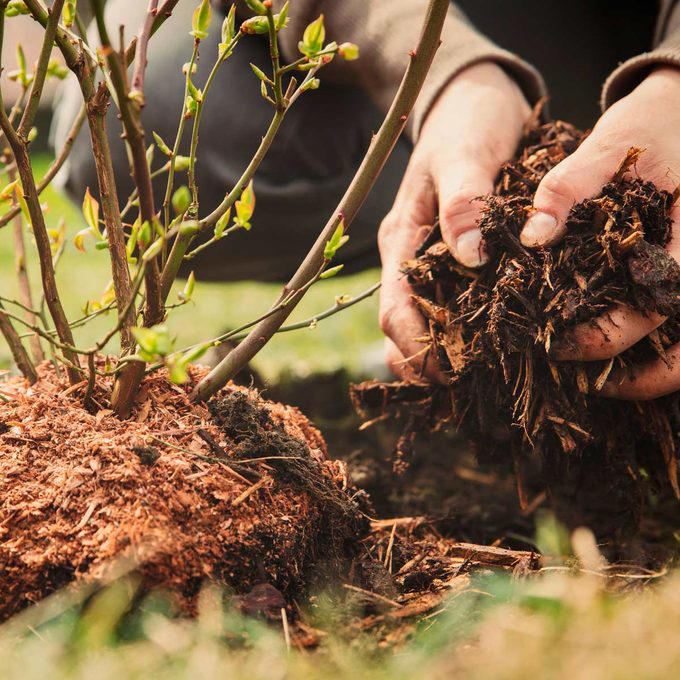
A person is applying mulch around a newly planted shrub in a garden, enhancing soil health and moisture retention in a green outdoor setting.© Provided by The Family Handyman
Mulching
Speaking of mulch, many gardeners make the mistake of thinking if a little is good, a lot is even better. Then they compound the problem by piling the mulch around plant stems. Use no more than 2 inches of mulch and spread it evening around plants, leaving a gap of several inches around the stem. This is called the doughnut effect as opposed to the volcano effect of piling mulch against stems (see photo), which causes rot and insect problems. Also, be sure to use the right kind of mulch: stone or gravel for succulents and cacti, wood chips, shredded bark mulch or compost for most other plants.
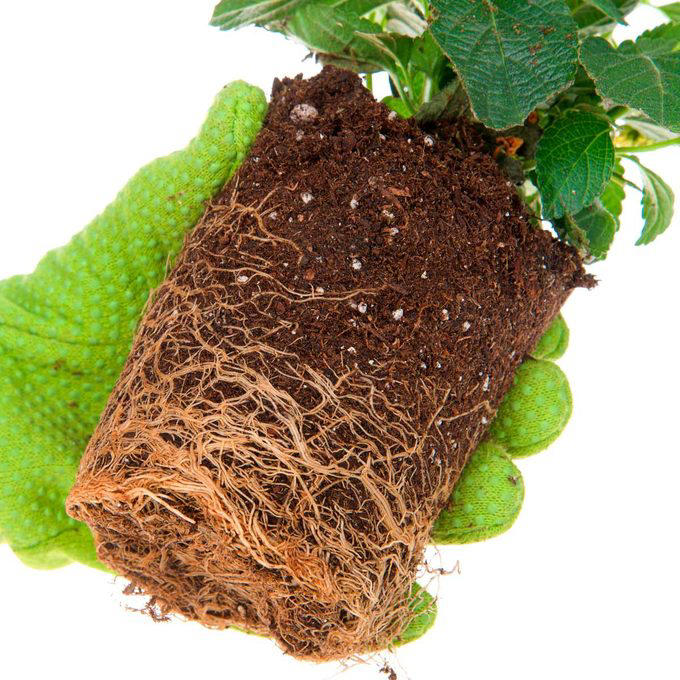
A hand in a textured green glove holds a potted plant, showcasing its rich, dark soil and exposed roots against a plain white background.© Provided by The Family Handyman
Rootbound Plants
A lot of plants sit around the nursery or garden center for too long. As a result, the roots start to spiral around the inside of the pot. That makes them easy to extract from the pot, but it's a recipe for failure down the road if you don't free up these rootbound plants. With annuals, you can gently break apart the rootball with your fingers. With larger perennials, shrubs and trees, you may need a knife or root-pruning saw to cut through the roots. Carve 1/2-inch- deep canals through four equidistant sides of the rootball, then carve an X in the bottom of the rootball before planting. This will stop roots from growing in a circle and encourage them to migrate outwards for nutrients and to anchor the plant.
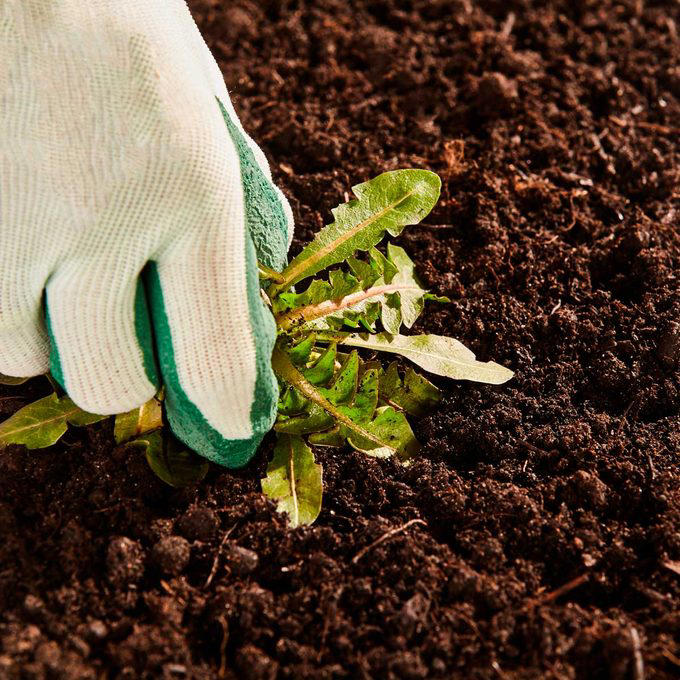
A gloved hand uproots a dandelion from dark soil, surrounded by loose earth, indicating a gardening task in progress.© Provided by The Family Handyman
Maintenance
A little rain and a lot of sunshine can make even a well-tended garden start to look jungle-like in a short amount of time. Just try taking a week's vacation in July and you'll see what I mean. That's one of the reasons it's important to do regular maintenance on your garden. A little daily attention now can save a lot of catch-up maintenance later. It doesn't have to be a lot. Pull a few weeds while strolling the garden with your morning coffee. Deadhead flowers as they turn (it looks neater and in many cases you'll get more flowers as a bonus).
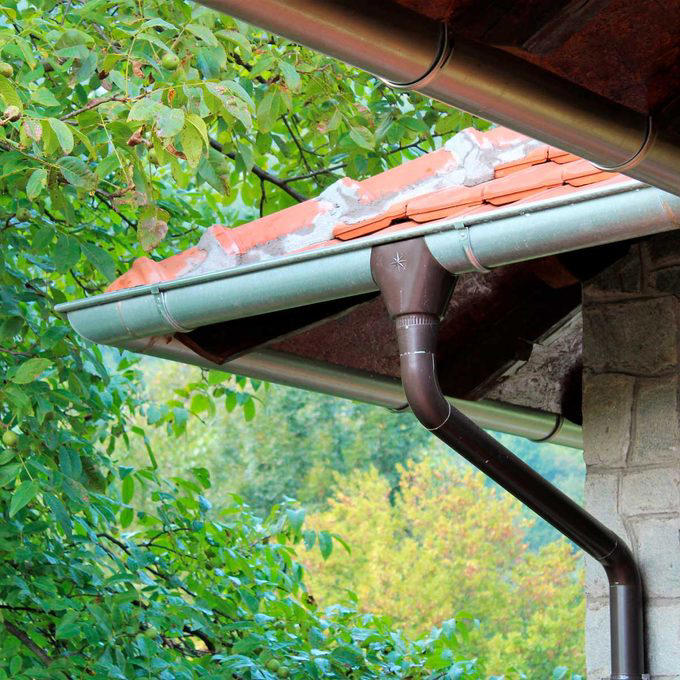
A rain gutter channels water from a tiled roof toward a downspout, surrounded by green foliage and distant trees in a vibrant landscape.© Provided by The Family Handyman
Mature Height
A lot of maintenance headaches come about because gardeners don't consider the mature height of plants when planting. Before they know it, that cute little tree has grown up to rub against the gutters, while that big burning bush has engulfed the compact mugo pine. That leads to more maintenance-and a gap in the landscape after plants are shorn. Look at the plant tag and keep the mature size in mind. And remember, there are plenty of cultivars that are smaller or more upright so they don't overtake a yard.
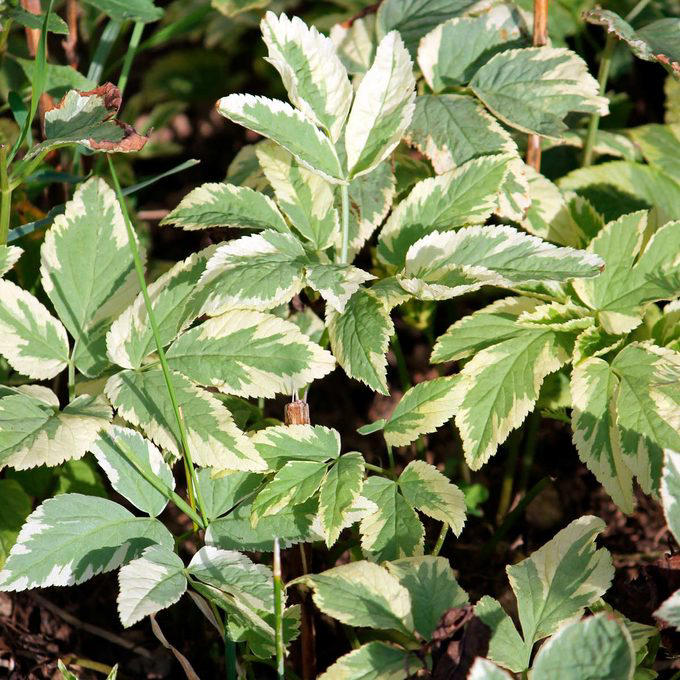
Green and cream variegated leaves cluster together, thriving in a natural outdoor setting, with sunlight filtering through and illuminating the foliage.© Provided by The Family Handyman
Garden Thugs
Every gardener appreciates a quick-growing, never-fail plant. Until it rears its ugly head and shows it's a garden thug. A pest. A problem child that won't behave. In the right conditions, they're fine. I'm thinking of a small pocket garden of variegated goutweed (shown here and now renamed snow on the mountain) that grew at my brother's house. It was hemmed in by concrete and couldn't escape. But out in the garden, it could have spread and become a pest. Same with English ivy, which is okay in town but can become a noxious weed in the woods, overtaking native vegetation. Google the name of your state and the words "noxious weed" to see which plants you should avoid planting.

Clusters of shiny, yellow oval eggs are arranged on a textured green leaf, indicating a natural, outdoor setting.© Provided by The Family Handyman
Pests
You've heard the expression "an ounce of prevention is worth a pound of cure." That's especially true with garden pests. The trouble is, a lot of gardeners don't pay attention until there's serious damage showing, and then they panic and bring in caustic chemicals. But walking the garden regularly and getting a closeup view is perhaps your best defense. You can see when a problem starts and nip it in the bud. For instance, a small cluster of eggs on the back of a vegetable plant can be removed before hatching into voracious caterpillars. That's the ounce of prevention I was talking about. And guess what? No need for chemicals!
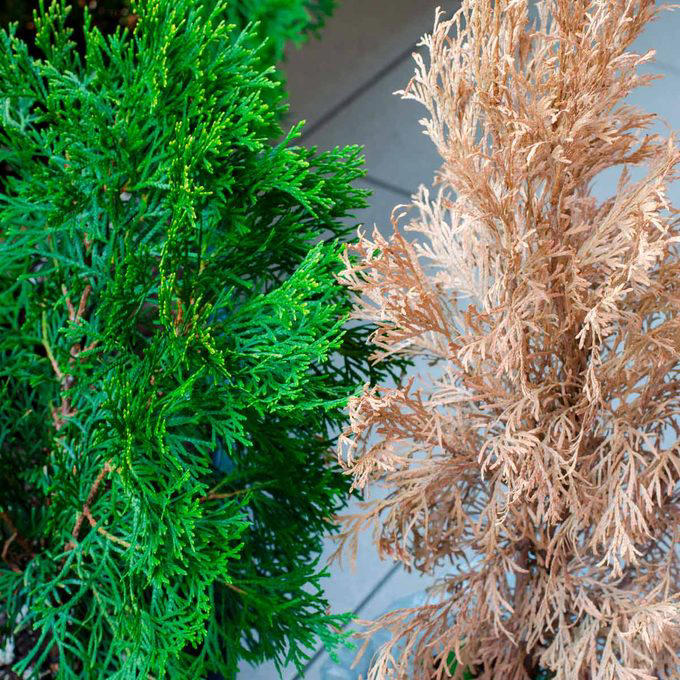
Two contrasting plants are displayed: a vibrant green evergreen on the left and a dried, brown conifer on the right, set against a light background.© Provided by The Family Handyman
Hardiness
There's nothing quite so sad to a gardener as nurturing a plant through its first growing season, then returning in spring to see it didn't make it through the winter. Believe it or not, some nurseries sell perennials that aren't winter hardy in that region-for instance, Zone 6 shrubs in Zone 5. Other times the plants are marginally hardy, meaning the tops may die back but the roots survive and send out new growth next year. That's okay, as long as you don't mind pruning off the dead stems after winter. Here are some shrub pruning strategies to help. Always consider winter hardiness. If a plant is marginally hardy, find a protected area in the garden which may offer a slightly tamer "microclimate" to save the plant from damage or death.

A man hands a potted flower to a smiling woman, who leans in to smell it, surrounded by colorful blooming flowers in a garden setting.© Provided by The Family Handyman
Ambition
A small, well-tended garden beats a large, overgrown one every time. As gardeners, we sometimes have overly ambitious intentions. While it may be tempting to go full tilt on the biggest garden you can envision, it will end in failure if you don't have the time or energy to tend it. Start small, use plants that don't take constant coddling, and use labor-saving strategies when possible (mulch, garden edges, soaker hoses, etc.). You can always expand the garden in the future, once you see what is required.


