



Indoor gardening success depends on two critical decisions: selecting crops that thrive in controlled environments and choosing grow lights precisely matched to tent size and plant needs.
Leafy greens like lettuce and spinach need just 30–50 W/m² at the seedling stage, while fruiting crops like tomatoes and peppers require 120–180 W/m² for optimal flowering. Tent size matters-a 4′ x 4′ tent (1.44 m²) with basil in flowering stage needs 144–202 watts, adjusted for reflectivity and fixture efficiency.
Spectrum matters too. Red light (600–700 nm) promotes flowering, ideal for tomatoes and peppers; blue light (400–500 nm) supports leafy greens; and far-red (700–780 nm) enhances lower canopy growth but must be controlled. High-reflectivity tent materials improve efficiency by up to 20%.
Best Indoor Crops and Their Growing Conditions
Before setting up an indoor garden, it's essential to choose crops that not only thrive indoors but also offer consistent, high-quality harvests. Each crop has specific requirements in terms of light, temperature, and nutrients.
Crops like lettuce, spinach, and microgreens mature quickly, providing fast harvests, while fruiting plants like tomatoes and peppers need more time but yield rich flavors. Herbs such as basil and parsley bring versatility and continuous yields, and even crops like mushrooms and carrots adapt well to controlled environments.
| Crop | Ideal Temp (°F) | Light Needs | Growth Time | Key Nutrients/Yield |
| Lettuce | 60–70 | 12–14 hr/day | 30–45 days | 10–14 oz/sq. ft. |
| Spinach | 55–65 | 10–12 hr/day | 40–50 days | High iron, 99mg calcium |
| Microgreens | 65–75 | Bright light | 7–14 days | Dense in vitamin C |
| Herbs (Basil, Parsley) | 65–75 | 12–16 hr/day | 30–60 days | 450g/plant (Basil) |
| Peppers | 70–85 | 14–16 hr/day | 60–90 days | 20–30 fruits/plant |
| Tomatoes | 65–75 | 14–18 hr/day | 60–80 days | Up to 2 lbs/plant |
| Green Onions | 65–75 | 10–12 hr/day | 21–30 days | 4–6 stalks/bunch |
| Strawberries | 60–75 | 12–16 hr/day | 90–120 days | 70–120 berries/plant |
| Mushrooms | 55–75 | Low light | 30–45 days | 2–3 lbs/log |
| Mini Carrots | 55–70 | 10–12 hr/day | 60–75 days | 1–2 lbs/container |
Matching Grow Light to Grow Tent Size
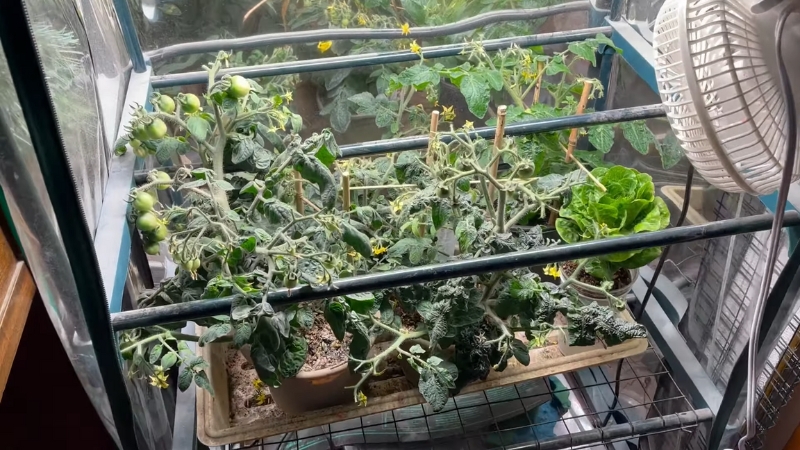
Choosing a grow light system that matches your grow tent size is critical for optimizing plant growth. A grow tent provides a controlled environment that reflects light efficiently and supports ventilation.
However, the size of your tent directly impacts the amount of light required for your plants to thrive. Too little light, and you'll have pale, stretched plants; too much light can burn leaves and waste energy.
This is where figuring out the right grow light sizes for tents becomes essential. Tent size isn't just about how much space you have-it also determines how much light you need to keep your plants healthy and productive.
For example, if you're working with a small 2′ x 2′ tent (60 x 60 cm), a simple LED light putting out around 60–100 watts should be enough to give your crops the light they need.
But if you've got a bigger setup like a 5′ x 10′ tent (150 x 300 cm) packed with fruiting plants like tomatoes or peppers, you'll need a more powerful system-think 600–900 watts, possibly with multiple fixtures to make sure light is spread evenly across the canopy.
Choosing the right grow light size for your tent means your plants won't have to stretch for light or suffer from uneven coverage, which can lead to wasted energy and patchy harvests.
| Tent Size (ft) | Approx. Metric Size | Recommended Plant Count |
| 2′ x 2′ | 60 x 60 cm | 1–2 plants |
| 4′ x 4′ | 120 x 120 cm | 4–6 plants |
| 5′ x 10′ | 150 x 300 cm | 12–16 plants |
| 8′ x 8′ | 240 x 240 cm | 16–24 plants |


