


Farmers are embracing mixed fleets, retrofit options, spray drones and automation as they stare down another tough year.

If you had to choose one phrase to describe how to approach farm machinery and ag tech solutions in 2025, it would be "get creative."
So far, that looks like being open to mixed fleets of equipment, looking at retrofit technology versus buying new off the factory line and even some nontraditional options coming to the North American market via Europe.
"We are seeing growing interest in avoiding being 'captive' to fewer brands," says Seth Crawford, senior vice president and general manager – precision ag and digital, AGCO. "We see farmers continuing to buy machines and technology, even if they only have $15,000 to $20,000 to spend. That's still enough for impactful improvements."
What's Coming from Ag Tech
On the heels of a record harvest for most key row crops, a dead cat bounce for commodity prices is not likely.
"Farmers are going to have to continue to manage seed costs and fertility costs," Crawford says, noting precision ag technology as a key cog in helping farmers do so. "We've got to show where they could be losing yield and offer solutions that pay off quickly."
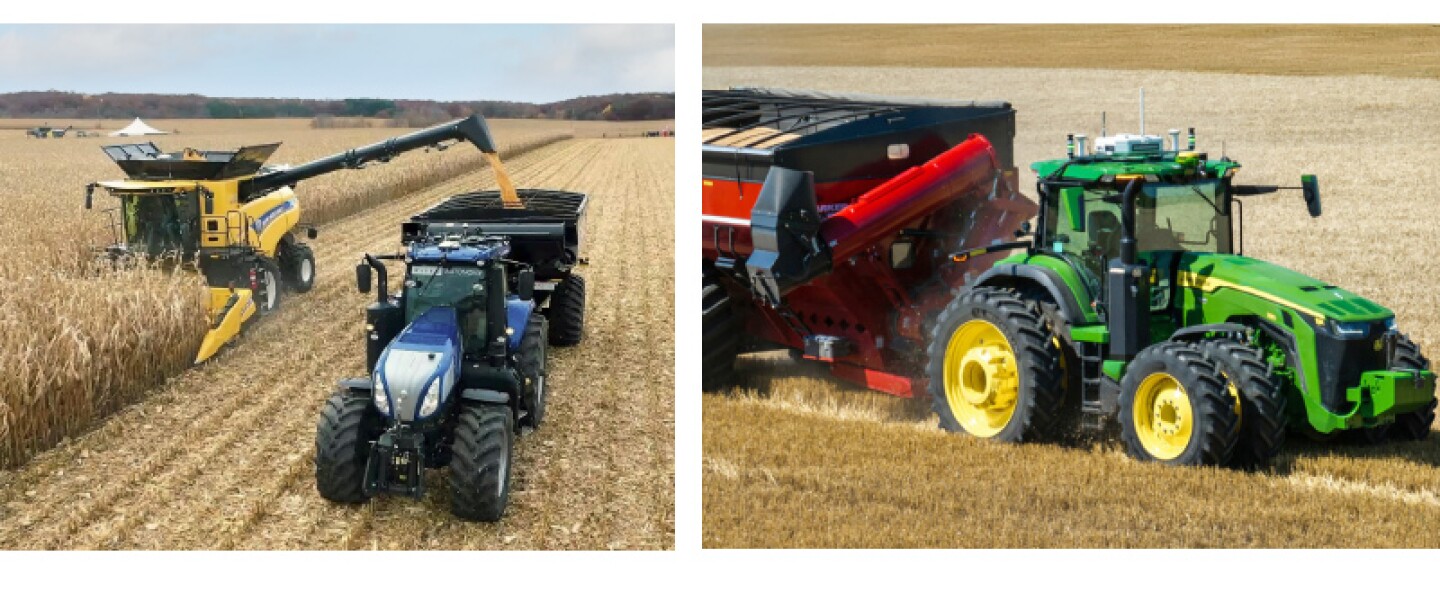
There is an emerging technology many experts are excited to see hit the market in 2025: autonomous grain carts. OutRun.Ag, AGCO's retrofit kit that enables autonomous grain cart operation, will be widely available for the first time after extensive beta testing in 2024. New Holland will also have OMNiDRIVE, its Raven grain cart automation kit, on the market this year.
More Commercialization
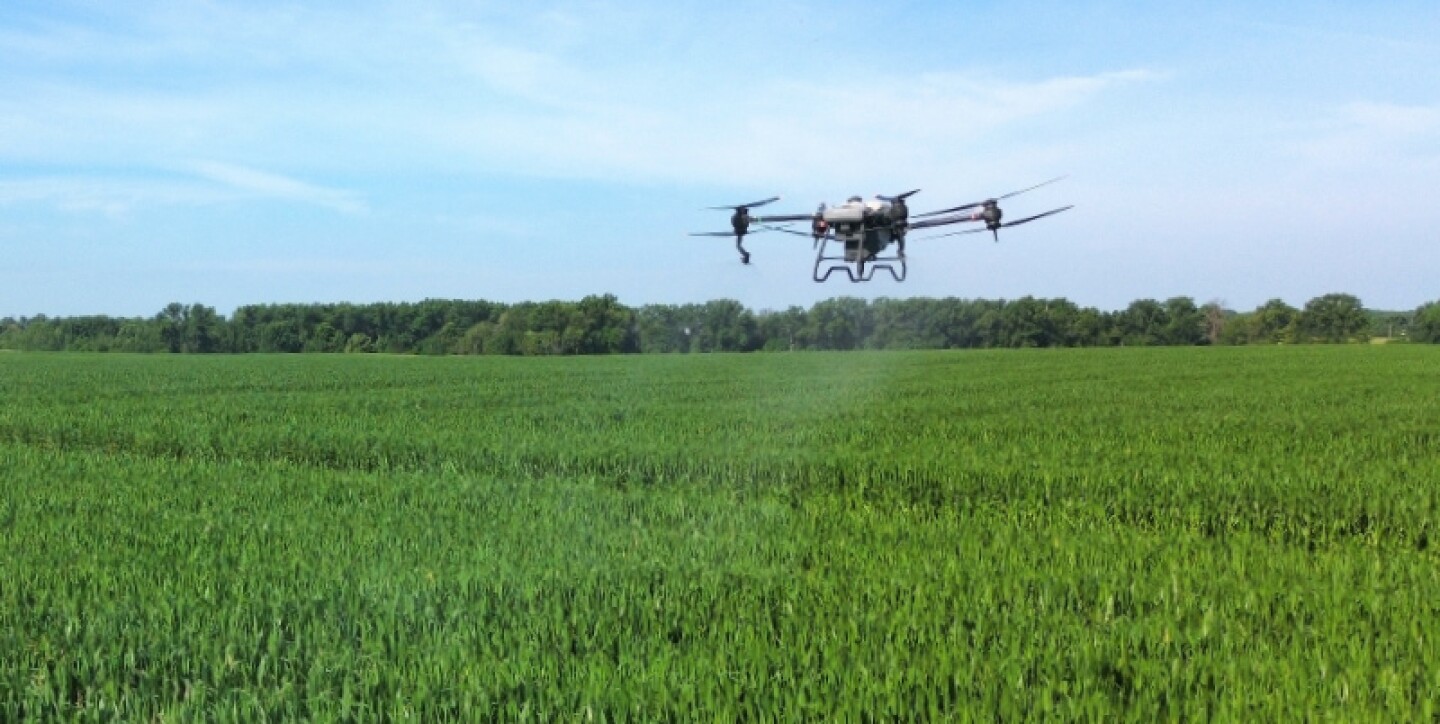
Other emerging technologies – spray drones, smart sprayers and autonomous machines and robots – are also moving to greater commercialization.
"With margins so tight, we're actually seeing some farmers steering away from high-clearance, self-propelled sprayers to drones," says Arthur Erickson, CEO, Hylio. "We worked with Beck's Hybrids on some plot trials this summer, and the drones performed better than a ground rig ROI-wise. Because of the smaller droplet sizes, you can penetrate the canopy better."
One development that will lift all boats is progress on the ag data standards front. AgGateway and the Association of Equipment Manufacturers (AEM) are continuing to work to get manufacturers and tech providers to the table to make data easier to collect and analyze across different machines and systems.
"Making it easier to share data between spray drones and ground sprayers, by having an open data exchange, would help these technologies be picked up more," Crawford says. "If you miss a spot with your ground sprayer, it's easier to come back in and hit it with a drone."
What to Expect With Farm Machinery
There are a couple of notable trends that have started emerging as we head into 2025:
Increased availability of machines coming over from the European market. Fendt and Claas are probably the two biggest players to keep an eye on. Mahindra is another foreign manufacturer gaining traction.
Nimble mobile service and dealership concepts disrupt the brick-and-mortar model.
Crawford says he has watched these two trends play out within his own company: AGCO is now seeing farmers become more interested than ever in its German-built Fendt brand, and its AgRevolution mobile dealer and service tech network expanded into Ohio during the tail end of 2024 as well.
"Growers are starting to see these European machines are able to compete in the North American market, and they're still going to get a premium tractor that can get more done in a day," Crawford explains.


