




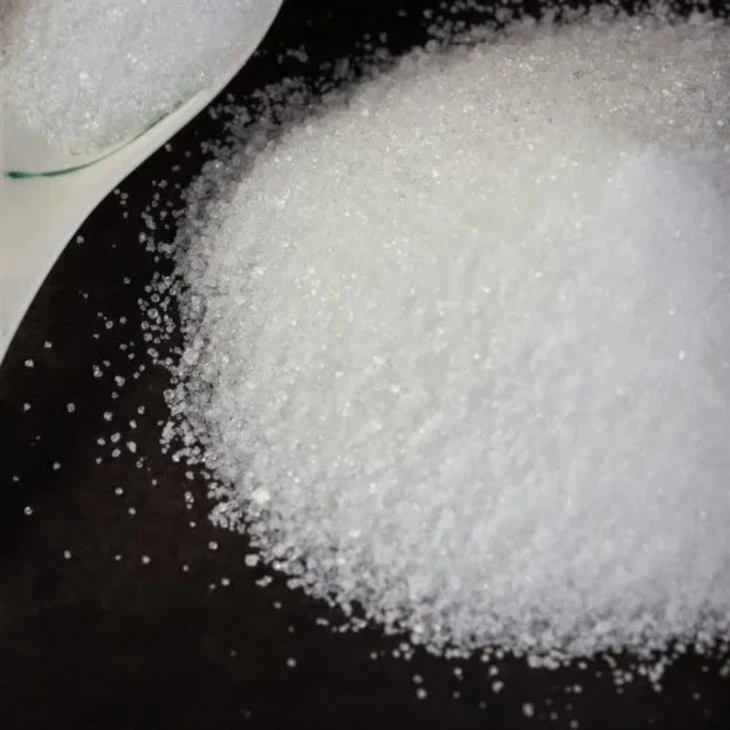

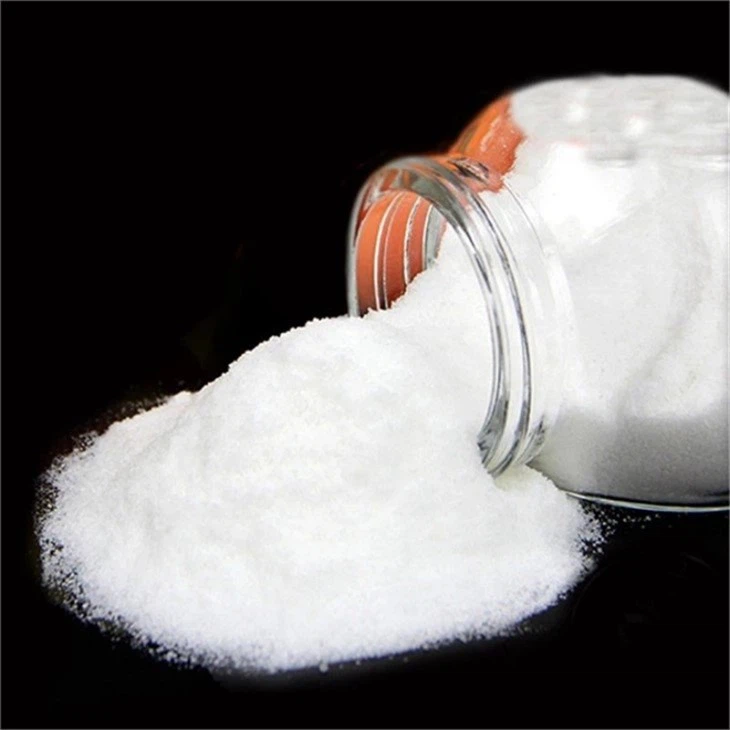

Printing, Platemaking Diammonium Phosphate
$595.00 | 500 metric tons(Min.Order)
Product: Printing, Platemaking Diammonium Phosphate

Description:
Printing, Platemaking Diammonium Phosphate: an overview
Printing and platemaking are important processes in the field of graphic design and visual communication. One of the most important chemicals used in these processes is diammonium phosphate (DAP). Next, we’ll dive into the properties of DAP, its uses in printing and platemaking, and tips for handling and storing this important chemical.
What is Printing, Platemaking Diammonium Phosphate?
Diammonium phosphate is a compound formed by the reaction of ammonia and phosphoric acid. It is often used as fertilizer as it provides essential nutrients for plant growth. However, it also has some industrial applications, particularly in the printing and platemaking industry.
Properties of DAP
Diammonium phosphate is a crystalline powder that is easily soluble in water. Its molecular formula is (NH4)2HPO4 and its molar mass is 132.06 g/mol. The chemical has a pH value of 7.5-8.5 and is non-toxic. It is also non-flammable and non-explosive, making it a safe chemical.
for printing and platemaking
Printing, Platemaking Diammonium Phosphate is mainly used in offset lithography and letterpress printing. It is a key component of the fountain solutions used in these printing processes. Fountain solution is a mixture of water, alcohol, and various chemicals that helps keep printing plates clean and allows ink to transfer to paper.
In addition, Printing, Platemaking Diammonium Phosphate is used in the platemaking process to prepare aluminum plates for printing. The chemicals are mixed with a sensitizing solution and applied to the photosensitive plate. Once the plate is exposed to the image, the DAP reacts with the photosensitive solution to create an image on the plate that can be transferred to paper.
Printing, Platemaking Diammonium Phosphate handling and storage
Although diammonium phosphate is a safe chemical, precautions are essential when handling and storing it. This chemical should be stored in a cool, dry place away from sources of heat and ignition. It should also be kept out of the reach of children and animals.
When working with DAP, it is important to wear protective gloves and goggles to avoid skin and eye irritation. The chemical should be mixed in a well-ventilated area to avoid breathing fumes.
in conclusion
Printing, Platemaking Diammonium Phosphate is an essential chemical in the printing and platemaking industry. Its unique properties make it an ideal ingredient in fountain solutions and plate making processes. However, it is always important to handle and store chemicals such as DAP carefully to avoid accidents and injuries. With proper handling and storage, DAP can contribute to high-quality printing and platemaking processes, which is vital to the fields of graphic design and visual communication.
Specification:
| Index Name | Index | Analysis result |
| Particle strength, N | ≥70 | 79 |
| Total N, % | ≥17.0 | 18.2 |
| Effective P2O5, % | ≥45.0 | 45.9 |
| Water-soluble phosphorus as a percentage of available phosphorus, % | ≥87 | 90 |
| Total nutrients (N+P2O5), % | ≥64.0 | 64.1 |
| H2O, % | ≤2.5 | 2.0 |
Hot Tags: printing, platemaking diammonium phosphate, China printing, platemaking diammonium phosphate manufacturers, suppliers, factory, soluble seaweed extract powder, potassium dihydrogen phosphate dihydrate, monoammonium phosphate fertilizer, ammonium molybdate sds, best inositol supplement powder, Ammonium Molybdate Tetrahydrate
You Might Also Like




Send Inquiry